

Each year our family heads to the coast. Long days in the sun, surfboards under our arms, and the bliss of doing absolutely nothing except swimming, surfing and slowing down. It’s my favourite part of the summer break.
But beaches in summer are rarely quiet. The surf clubs are buzzing, tourists are everywhere, and lifesavers are constantly scanning the water to keep everyone safe. They manage a huge spectrum of swimming abilities, rips that change without warning, and crowds who don’t always think before they leap.
The beach stays safe because lifesavers create a safe operating zone:
between the flags.
They watch conditions, position the flags in the safest part of the beach, and intervene when someone drifts into trouble. It’s not about perfection — it’s about staying inside a shared zone of responsibility.
Those who swim beyond the flags not only increase their own risk, they can put others and the lifesavers at risk too. At any moment, your actions and your attitude are either between the flags or beyond the flags.
“People may hear your words, but they feel your attitude.”
The same applies to teams. Some attitudes strengthen a team, others quietly dismantle it. Attitude is the invisible force that determines whether a team thrives or turns on itself. In many cases, attitude matters more than qualifications, experience or technical skill. It’s the little thing that makes the big difference.
Between the flags attitudes are the ones that hold the team together:
Ownership, curiosity, action-taking, collaboration. Educators who are between the flags see problems early and move to solve them. They support each other. They take responsibility for their part. They understand that while they can’t control everything, they can always choose their attitude.
When the whole team stays between the flags, it feels like the current starts helping you — not fighting you.
“Bad attitudes will ruin your team.”
In small, high-pressure environments like early learning centres, it’s natural for unhelpful attitudes to creep in. These are the beyond the flags attitudes: denial, blame, excuses, fault-finding, apathy, helplessness.
When educators are beyond the flags you hear things like:
“It’s not my fault.”
“Not my job.”
“I told someone.”
Teams stuck beyond the flags quickly fall into a victim cycle. People pretend not to see problems, avoid difficult conversations, and quietly withdraw. Little issues balloon into big ones because nobody will pick them up. The team loses trust, loses tempo and ultimately loses confidence.
“For success, attitude is equally as important as ability.”
When a team chooses to stay between the flags, they take 100% responsibility for their actions, their effort and their impact. They see possibilities rather than obstacles. They extract learning from setbacks. They act on what they can control and accept what they can’t. They move forward.
Leaders play the lifesaver role. They set the flags with their team — defining what “good” looks like and how we behave when we’re at our best. Together the team identifies:
✔ Between the flags behaviours — what we want more of
✘ Beyond the flags behaviours — what we can’t allow to creep in
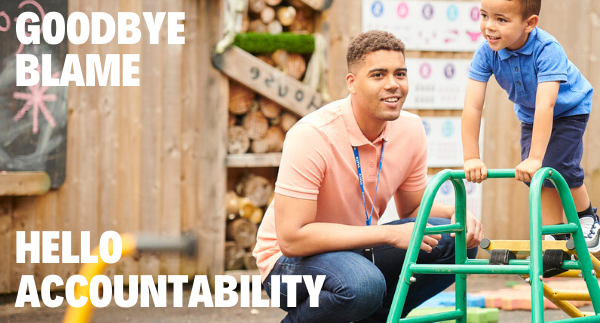
When the team names the behaviours themselves, accountability becomes shared, not forced. Instead of blame, you get trust. Instead of excuses, you get ownership. Instead of noise, you get alignment.
If you’re heading into the new year wanting to lift culture, strengthen your team and push performance, set some time aside to define your flags as a team. It’s a great place to start 2026.
Are you curious about how our Between the Flags workshop could help your team?
Dive in for a free 30-minute session!
You’ll get a sneak peek into the workshop and what it has to offer.

Leave a Reply